
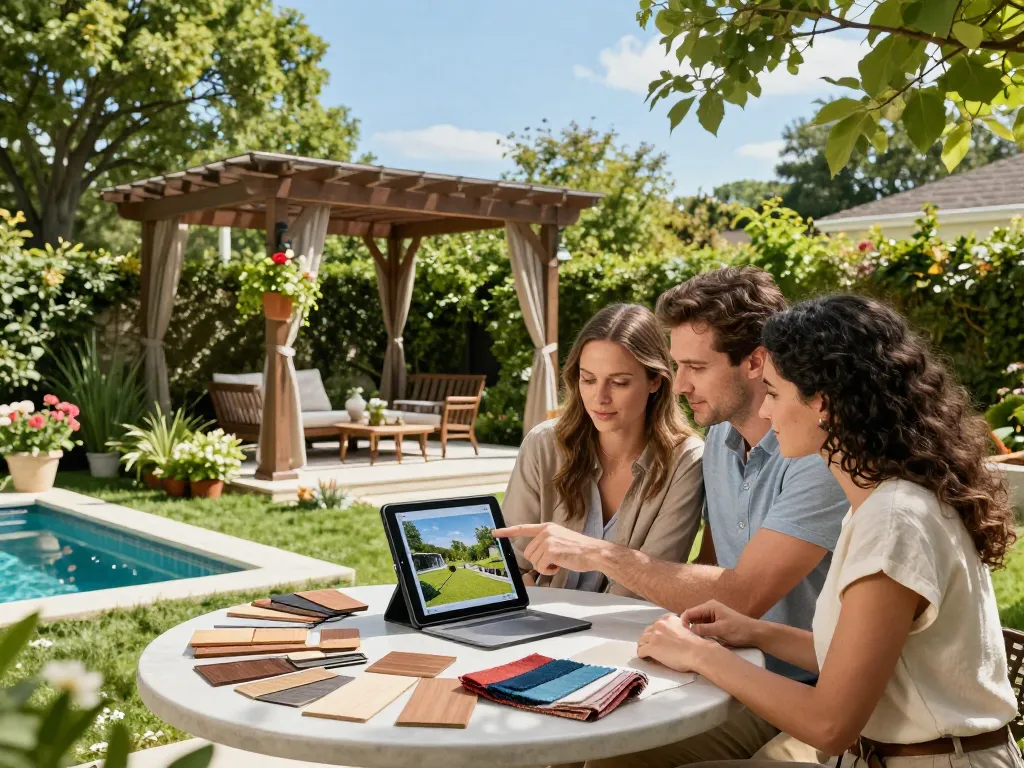
Understanding the Pergola 3D Planner Tool
As outdoor spaces gain increasing importance in home design, the need for effective planning tools becomes paramount. A pergola 3d planner is essential for homeowners and designers aiming to visualize and customize their outdoor structures. These tools empower users to create detailed designs, experiment with different styles, and make informed decisions that align with their aesthetics and functional needs.
What is a Pergola 3D Planner?
A pergola 3D planner is a software tool that allows users to design pergolas in a three-dimensional space. Users can select various elements such as size, shape, materials, and colors, enabling a comprehensive visual representation of the final structure. This kind of tool is crucial for creating an outdoor living area that complements existing landscaping and meets specific usage needs, whether for relaxation, entertaining, or gardening.
Key Features of Effective Pergola Planning Software
- Intuitive User Interface: Users should be able to navigate through the software easily, making design decisions simpler and more enjoyable.
- Customization Options: A good planner allows you to modify dimensions, styles, and materials, ensuring that each design is unique and personal.
- 3D Visualization: The ability to view your design in 3D helps to better understand how it will integrate into your outdoor space.
- Export and Share Options: Users should be able to save designs as PDFs or images to share with friends, family, or contractors.
- Realistic Renderings: Quality software provides realistic images that show how light interacts with the materials and how the pergola will look in different seasons.
Comparative Analysis: Free vs Paid Pergola Designers
When it comes to choosing a pergola design tool, users often face the decision between free and paid options. Free planners may offer basic functionalities and limited customization, which can be beneficial for casual users. However, paid planners typically provide advanced features such as enhanced visualization, access to a wider variety of materials, and customer support. For professionals or enthusiastic DIYers, the investment in a paid tool often pays off by facilitating a more streamlined design process and higher quality outcomes.
The Benefits of Using a Pergola 3D Planner
Visualizing Your Outdoor Space
One of the most significant benefits of using a pergola 3D planner is the ability to visualize your outdoor space with precision. Such tools enable users to simulate how different pergola designs will fit into their existing landscape, helping to prevent costly mistakes that can arise from miscalculating dimensions or style compatibility.
Customization Options for Unique Designs
Every property is unique, and so are the needs of its owners. A pergola 3D planner offers a high degree of customization, allowing users to tailor their designs to fit personal preferences and functional requirements. This includes options for adjusting the size, choosing materials, and even selecting colors that align with the overall aesthetic of the home and garden.
Integrating Landscape Elements with Your Pergola
Effective design goes beyond the pergola itself; it involves the surrounding landscape elements as well. A 3D planner helps in visualizing how the pergola will interact with existing features such as patios, walkways, and gardens. This holistic approach ensures that the pergola not only stands out as a focal point but also harmonizes with the overall outdoor environment.
Choosing the Right Pergola Design
Popular Pergola Styles to Consider
Several styles are popular among homeowners seeking to enhance their outdoor space. Some key styles include:
- Traditional Pergola: A classic design that features an open-roof structure, perfect for climbing plants.
- Freestanding Pergola: Ideal for creating a separate outdoor area, this type stands independently from the house.
- Attached Pergola: Connected to an existing structure, providing shade and a seamless transition between indoor and outdoor spaces.
- Pavilion-Style Pergola: Enclosed but open at the sides, this style offers more protection from the elements while maintaining a light feel.
Material Selection: Wood, Vinyl, or Metal?
Choosing the right material for your pergola is critical to its durability and aesthetics. Common options include:
- Wood: Offers a natural look but requires maintenance to withstand the elements.
- Vinyl: Low-maintenance and resistant to rot and fading but may lack the traditional charm of wood.
- Metal: Provides a modern aesthetic and unparalleled durability, particularly aluminum or steel options.
Incorporating Additional Features (Lighting, Fabrics)
Enhancing your pergola with additional features can significantly improve its functionality. Consider adding:
- Lighting: Incorporating string lights or recessed lighting to extend the usability of your outdoor space into the evening.
- Fabrics: Adding drapes or canopies for shade and privacy, contributing to the overall comfort of your outdoor environment.
Step-by-Step Guide to Designing with a Pergola 3D Planner
Gathering Your Ideas and Inspirations
Before diving into design, it’s important to gather ideas and inspirations. Use platforms like Pinterest or home improvement blogs to collect images and styles that appeal to you. This collection will serve as a reference point during the design process.
Utilizing the Planner Software Effectively
Once you have a clear idea of what you want, it’s time to utilize the planning software. Make sure to familiarize yourself with its tools and options. Experiment with different configurations, materials, and styles until your design reflects your vision.
Finalizing Your Design and Planning the Build
After refining your design, finalize the details such as dimensions, materials, and any additional features. This stage often includes consulting with a contractor or builder to ensure that your design is feasible. Having clear, visual specifications can significantly help in this process.
Future Trends in Pergola Design and Planning Software
Technological Innovations to Watch in 2026
The future of pergola design is bright with the advent of more sophisticated technologies. Expect advancements in virtual reality (VR) and augmented reality (AR) that will allow users to immerse themselves in a virtual outdoor space, making the design process even more intuitive and realistic.
Eco-Friendly Materials and Sustainable Designs
As sustainability becomes a priority in home design, more materials sourced from sustainable resources are likely to emerge. Expect to see options that not only look good but also have a lower environmental impact, aligning with the growing eco-conscious consumer base.
The Role of Augmented Reality in Outdoor Spaces
AR has the potential to revolutionize the way homeowners interact with their designs. By simply using a smartphone or tablet, users may soon visualize their pergola designs overlaid onto their actual outdoor spaces, providing instant feedback on how their ideas will look in real life.
What features should I look for in a pergola 3D planner?
When evaluating a pergola 3D planner, consider features like user-friendliness, customization capabilities, realistic rendering options, and customer support. All these elements contribute to a more satisfying design experience.
Can I find a free pergola 3D planner online?
Yes, there are several free 3D planners available online, although they typically offer limited features compared to paid options. Many users find that these tools can serve as a great starting point for initial design ideas.
How do I visualize my outdoor space effectively?
Effective visualization involves using tools that allow for detailed, three-dimensional depictions of your design, as well as gathering inspiration from various sources to create a cohesive vision for your outdoor layout.
What are the popular materials for pergola construction?
Popular materials include wood, vinyl, and metal, with each option offering its own set of advantages, such as aesthetics, durability, and maintenance requirements.
How can I incorporate shade options into my design?
Shade can be incorporated through the use of retractable fabric canopies, climbing plants, or strategically placed louvered roofs that provide flexibility based on weather conditions.