
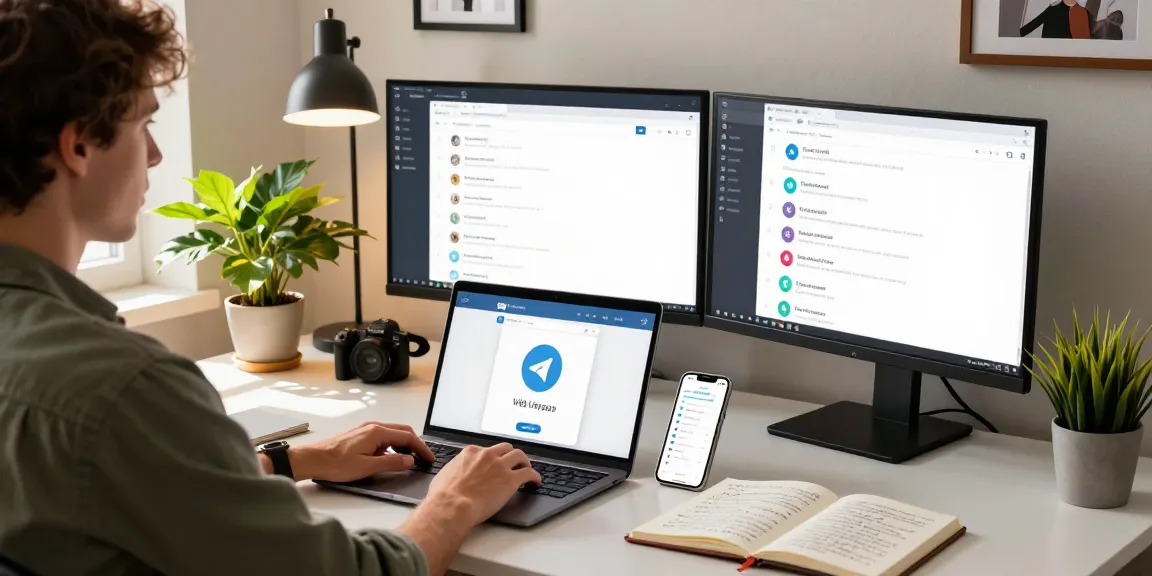
What is the Telegram Web Version?
The Telegram Web Version represents an innovative extension of the popular messaging application, enabling users to access their Telegram account directly from a web browser. This functionality is particularly valuable for individuals who may not want to or cannot download the native mobile or desktop applications. The web version offers a seamless and efficient way to stay connected, allowing for real-time messaging and communication without being tethered to a single device.
Understanding the Basics of Telegram Web
Telegram Web is designed to give users access to their Telegram messages, contacts, and groups via a browser, making it a versatile tool for those who frequently switch between devices. When you log in, you will have access to all your chats and can send and receive messages just as you would on the mobile app. Furthermore, it supports various standard functionalities like creating groups, managing channels, and sharing media files.
Features and Functionalities of Telegram Web Version
- Multi-device Access: You can log in to your account from any device with internet access, providing ultimate flexibility.
- Real-time Notifications: Receive instant alerts for new messages, ensuring you never miss a conversation.
- Rich Media Sharing: Easily send photos, videos, documents, and more without any hassle.
- Free of Charge: The web version is completely free to use, just like the mobile and desktop applications.
Differences Between Telegram App and Web Version
While both versions enable messaging and sharing, there are key differences to consider. The mobile app offers offline access and full integration with your phone’s contacts, whereas the web version requires an active internet connection to function. Additionally, certain features, such as secret chats and voice calls, are exclusive to the mobile application. Nevertheless, the Telegram Web Version is an excellent alternative for users who prioritize convenience.
How to Access Telegram Web Version
Accessing the Telegram Web Version is straightforward. You can initiate the process by visiting the official website or just by searching for “Telegram Web” on your preferred search engine. When exploring options, Telegram网页版 provides comprehensive insights into available functionalities.
Step-by-Step Guide to Logging In
- Open your preferred web browser.
- Type in the URL: web.telegram.org.
- You will see options to log in: either by scanning a QR code or by entering your phone number.
- If you choose to scan the QR code, open Telegram on your mobile device, go to settings, and select “Scan QR Code.”
- Once scanned, your chats will load, and you can start messaging!
Supported Browsers for Telegram Web
Telegram Web is compatible with all major web browsers, including:
- Google Chrome
- Mozilla Firefox
- Microsoft Edge
- Safari
Ensure your browser is up-to-date for the best performance and security when using Telegram Web.
Common Issues and Troubleshooting Tips
While using Telegram Web, you might encounter some common issues. If you face problems logging in, double-check your internet connection and ensure that you have entered the correct phone number. If messages are not syncing, refresh the browser page or clear the cache and cookies. For persistent issues, consider switching to a different browser or device.
Utilizing the Features of Telegram Web Version
To maximize your experience with the Telegram Web Version, understanding its features and tools is crucial. The platform is designed to enhance user interaction and provide a comprehensive messaging experience.
Messaging and Communication Tools
Telegram Web supports a range of messaging features such as:
- Text Messaging: Send and receive text messages in one-on-one or group chats.
- Stickers and Emojis: Express yourself with a vast library of stickers and emojis.
- Interactive Polls: Create polls within group chats to gather opinions and engage members.
- Search Functionality: Quickly find messages or files using the robust search tool.
File Sharing and Document Management
Another advantageous feature of Telegram Web is its file-sharing capability. Users can:
- Upload Files: Share files up to 2 GB in size easily.
- Organize Documents: Manage your document transfers effectively within chats.
- Cloud Storage: Store and access files directly from Telegram’s cloud without consuming device memory.
Customizing User Settings and Privacy Options
Personalization is key in Telegram Web. Users can customize their settings by:
- Adjusting Notification Preferences: Choose how and when you receive notifications.
- Setting Privacy Settings: Control who can see your last seen and profile photo.
- Managing Account Security: Enable two-step verification for added security.
Best Practices for Using Telegram Web Version
To make the most of your experience, adhering to best practices for using Telegram Web is essential.
Optimizing Notifications and Chats
Fine-tuning notifications can help in managing your workflow efficiently. For instance, you can:
- Mute chats that are not essential to reduce distractions.
- Organize chat groups and pin important conversations for easy access.
Integrating Telegram Web with Other Productivity Tools
Telegram Web can be integrated with various productivity tools to streamline your tasks. Consider using:
- Google Drive: For file sharing and storage.
- IFTTT: To automate tasks between Telegram and other services.
Maintaining Security and Privacy Online
Prioritizing security while using any messaging platform is paramount. To maintain privacy on Telegram Web:
- Regularly review your account security settings.
- Be cautious about sharing sensitive information in chats.
Future Trends for Telegram Web Version (2026 and Beyond)
As messaging technology evolves, so does the functionality of Telegram Web. Understanding these trends is essential for users looking to stay ahead.
Emerging Features and Enhancements
Expect future updates to focus on AI-driven features that improve user experience, such as:
- Enhanced Chatbots: Offering intelligent responses and automation.
- Improved Multimedia Support: With evolving technology, expect better quality for video and audio files shared.
Impact of Web Technologies on Messaging Apps
The evolution of web technologies, such as WebRTC and progressive web apps, will significantly impact how we interact with messaging platforms, enabling smoother experiences and better integration with other web applications.
Community Insights and User Experiences
With a vast global user base, community feedback on Telegram Web enhances its development. Engaging with user experiences can lead to meaningful improvements in functionality and user interface.
What are the Advantages of Telegram Web Version?
The primary advantages of using the Telegram Web Version include:
- Accessibility: Access your messages from any device, anytime, anywhere.
- Convenience: No installation required, making it easy to jump into conversations quickly.
- Continuous Updates: Regular updates enhance features and security.
How to Switch Between Telegram Versions Seamlessly?
To switch between the Telegram app and the web version effectively, ensure you’re logged into the same account on both platforms. This will allow you to seamlessly transition between devices without losing any conversations.
Is the Telegram Web Version Secure for Confidential Chats?
While Telegram places a strong emphasis on security, the web version does not support “Secret Chats.” For the highest level of privacy, it is recommended to use the mobile app for confidential conversations.
Can I Use Telegram Web for Business Communications?
Yes! The Telegram Web Version is ideal for business communications due to its functionalities like group chats, file sharing, and channel management, making it a powerful tool for collaboration.
What Devices are Compatible with Telegram Web Version?
Telegram Web is compatible with any device that has a web browser, including:
- Desktops (Windows, Mac, Linux)
- Laptops
- Tablets
- Smartphones (via browser)