
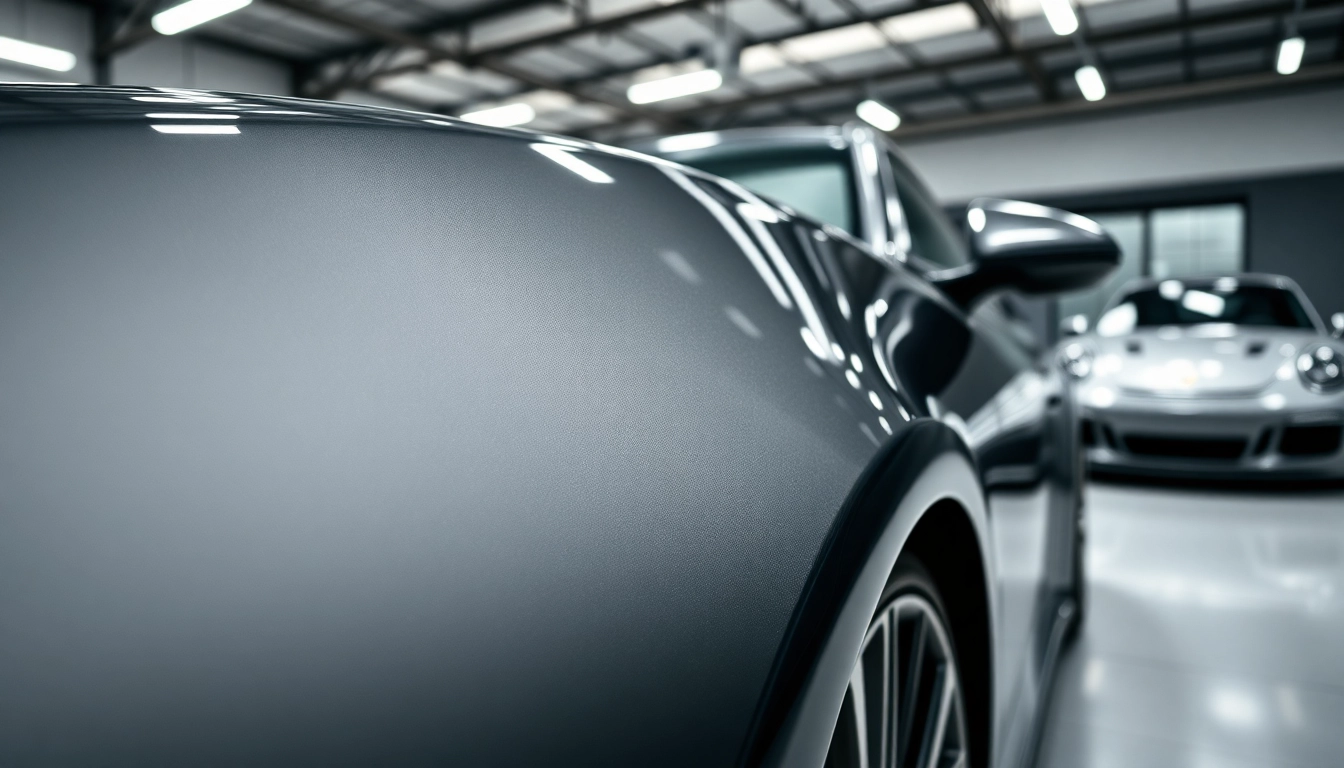
Understanding Paint Protection Film
What is Paint Protection Film?
Paint Protection Film (PPF) is a transparent, thermoplastic urethane film applied to the exterior surfaces of a vehicle to protect the paint from various forms of damage. These include scratches, chips, road debris, and environmental contaminants that could dull the finish. PPF is an advanced technology designed to keep your vehicle looking new for a longer period, enhancing its aesthetic appeal and resale value.
Benefits of Using Paint Protection Film
The advantages of installing paint protection film are numerous, making it a popular choice among car enthusiasts and everyday drivers alike. Some key benefits include:
- Protection Against Scratches and Chips: PPF provides a nearly invisible barrier against physical damage that can occur from rocks, gravel, and other road debris.
- UV Resistance: The film shields your vehicle from harmful UV rays, preventing paint fading and oxidation.
- Self-Healing Properties: Many PPF options feature self-healing properties that allow minor scratches and swirl marks to disappear over time when exposed to heat.
- Ease of Maintenance: The smooth surface of PPF makes it easier to clean and maintain, requiring less effort compared to untreated paint surfaces.
- Enhanced Resale Value: By protecting the original paint, PPF can help maintain your vehicle’s value when it comes time to sell or trade it in.
Common Misconceptions about Paint Protection Film
Despite its benefits, several misconceptions about paint protection film might lead potential users to hesitate:
- It’s Only for Luxury Cars: PPF is beneficial for any vehicle, not just high-end models. Every vehicle can experience paint damage, which PPF can mitigate.
- It’s Visible and Affects Appearance: High-quality PPF is designed to be virtually invisible, maintaining the original look of your vehicle.
- It’s Too Expensive: While there is an upfront cost, the long-term savings in paint repair and maintaining resale value can outweigh the initial investment.
- Installation is DIY Friendly: Professional installation is often recommended for best results, as improper application can lead to bubbles or peeling.
Choosing the Right Paint Protection Film
Types of Paint Protection Films Available
There are several types of paint protection films available, catering to different needs and preferences:
- Self-Healing Film: This type of film can “heal” minor scratches and imperfections over time with heat application.
- Hydrophobic Film: These films repel water and contaminants, making it easier to clean surfaces.
- Matte Film: Ideal for matte finishes, this film preserves the non-reflective surface without altering its appearance.
- Color-Stable Film: Designed to resist yellowing and maintain clarity, which is crucial for long-term applications.
- Custom Cut Film: Options can be tailored to fit specific areas of your vehicle for targeted protection without full coverage.
Factors to Consider When Selecting Film
When choosing the right paint protection film for your vehicle, consider the following factors:
- Durability: Look for films that offer high resistance to scratches, weather conditions, and UV rays.
- Thickness: Thicker films typically provide better protection but might also come at a higher price.
- Finish: Decide if you want a glossy or matte finish to match your vehicle’s paint.
- Warranty: A warranty can indicate the manufacturer’s confidence in their product’s longevity and effectiveness.
- Brand Reputation: Research brands known for quality and performance; testimonials and referrals can be useful here.
Understanding the Installation Process
Proper installation is crucial for the performance of paint protection film. Here’s an overview of the typical installation process:
- Surface Preparation: The vehicle’s surface must be thoroughly cleaned and prepped, free from dirt, wax, and contaminants.
- Measurement and Cutting: The film is measured and cut precisely to fit the vehicle’s contours.
- Application: A special adhesive is applied along with water (or a solution) to help place the film. Careful positioning minimizes bubbles.
- Smoothing and Heating: The installer will smooth out any bubbles and apply heat to facilitate bonding and ensure the film adheres properly.
- Post-Installation Care: After installation, the vehicle may require specific care, such as avoiding washing for a certain period to allow the film to cure.
Finding Services for Paint Protection Film Near Me
How to Locate Local Installers
Finding trusted professionals to install paint protection film is key to ensuring quality application. You can start by searching online for paint protection film near me. Be sure to check out reviews on local forums, Google, or Yelp to gauge customer satisfaction. Recommendations from friends or local car clubs can also be invaluable.
Evaluating Installer Qualifications
When considering an installer, assess their qualifications through various means:
- Experience: Look for installers with a good track record and several years of experience.
- Certifications: Check if they are certified by leading film manufacturers, which indicates expertise in the product.
- Portfolio: Review their previous work to evaluate the quality of the installations they’ve completed.
- Customer Reviews: Read testimonials and feedback from past customers to gain insight into their reliability and professionalism.
- Warranty Terms: Understanding what kind of warranties they offer on both the film and installation can protect you from future issues.
Questions to Ask Before Installation
Before committing to an installation, consider asking the following questions:
- What brands of film do you use? Ensure they use high-quality, reputable brands.
- What is your installation process? Understanding their process can ease concerns about the quality of application.
- Do you offer warranties? Know what coverage you will have in case of defects.
- How long will installation take? This gives you a better idea of your vehicle’s downtime.
- What post-installation care do you recommend? Ensure you’re aware of how to maintain your film effectively.
Maintaining Your Paint Protection Film
Best Practices for Care and Maintenance
After installing paint protection film, proper maintenance ensures its longevity and effectiveness. Follow these best practices:
- Avoid Automatic Washes: These can be harsh on the film; hand washing is recommended.
- Use pH-Neutral Car Wash: This prevents the film from degrading while ensuring a clean surface.
- Dry with Microfiber Cloths: Use soft materials to avoid scratching the film’s surface.
- Apply Ceramic Coating: Consider an additional layer of protection that enhances the film.
- Regular Inspections: Frequently check for any wear or damages that may need attention.
Repairing Damage to the Film
In the event of damage, such as scratches or scuffs, it’s essential to know the steps to repair your film:
- Minor Scratches: Use a heat gun or hot water to treat light scratches, making them disappear as the film relaxes.
- Professional Repair: Deeper cuts or damages may require professional repairs; do not attempt DIY fixes that could worsen the situation.
- Replacement Sections: For significant damage, installers can often replace only the affected section of the film instead of the entire covering.
- Keep Records: Document any repairs for warranty purposes and future reference.
What to Avoid After Installation
To maximize the life of your PPF, avoid the following:
- Avoid Car Washes: For the initial 7 days, do not take the vehicle through automatic car washes to allow proper curing.
- Excessive Heat: Avoid parking in direct sunlight or using heat sources on the film until fully cured.
- Harsh Chemicals: Do not use aggressive cleaners that may damage the film’s surface.
- Avoid Vinyl Stickers: These can pull away at the edges of the film when removed.
- Neglecting Maintenance: Regular care ensures the film retains its protective qualities.
Frequently Asked Questions about Paint Protection Film
What is the lifespan of paint protection film?
The typical lifespan of paint protection film is between 5 to 10 years, depending on the quality of the film and maintenance practices.
Can I wash my car after applying paint protection film?
It is advisable to wait at least 7 days after installation before washing your car to allow the film to properly adhere.
Will paint protection film yellow over time?
High-quality PPF is designed to resist yellowing, but lower-quality films can discolor over time due to UV exposure.
Is paint protection film worth the cost?
Yes, PPF provides long-term protection for your vehicle’s paint, potentially saving you money on repairs and maintaining resale value.
How does paint protection film compare to ceramic coating?
While both offer protection, PPF provides better scratch and impact resistance, whereas ceramic coatings enhance gloss and repel dirt.