
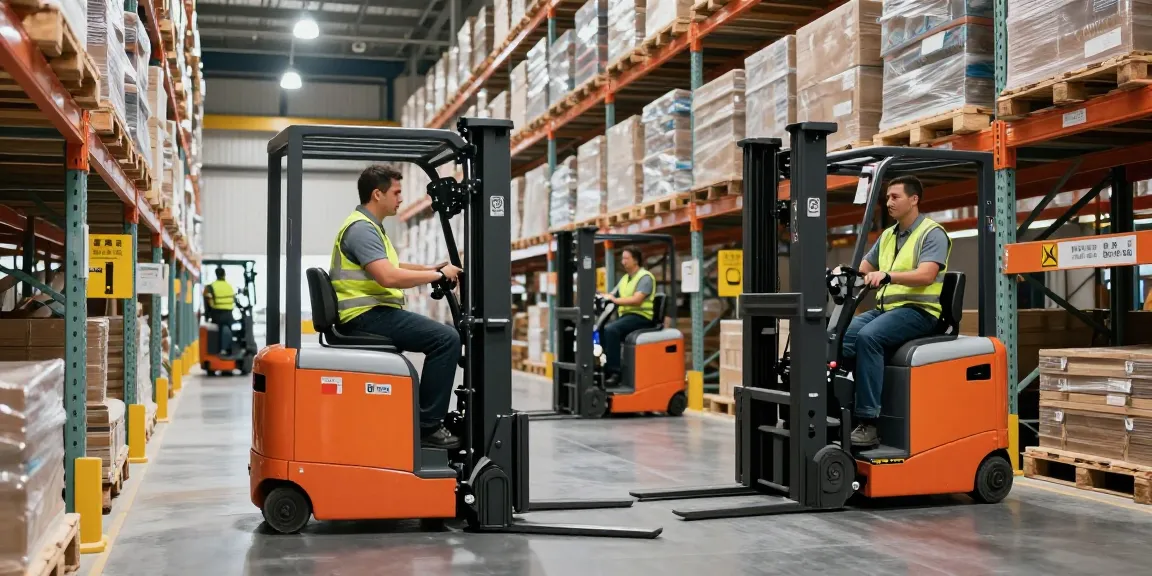
Understanding Electric Stackers
Electric stackers have become essential equipment in modern warehousing and material handling environments, driven by the need for efficiency, safety, and sustainability. These versatile machines enable operators to lift, stack, and transport goods with ease, making them an invaluable asset in various industries, including logistics, retail, and manufacturing. When exploring options, electric stacker solutions offer comprehensive insights into performance and capabilities that can significantly enhance operational workflows.
What is an Electric Stacker?
An electric stacker is a powered lifting device designed for elevating and moving materials within warehouses or storage facilities. Unlike traditional forklifts, electric stackers are typically smaller and more maneuverable, which allows them to operate efficiently in constrained spaces. They utilize electric motors for power, making them quieter and more environmentally friendly than their gas or diesel counterparts. Electric stackers come in various configurations, including walkie and ride-on models, catering to different operational needs.
Benefits of Using Electric Stackers
- Environmental Sustainability: Electric stackers produce zero emissions during operation, contributing to better air quality and compliance with environmental regulations.
- Cost-Effectiveness: Lower operating costs due to reduced fuel consumption and maintenance requirements make electric stackers a financially viable option.
- Improved Safety: With enhanced stability and automatic braking features, electric stackers minimize the risk of workplace accidents.
- Enhanced Productivity: Their compact design allows for greater maneuverability, enabling operators to navigate tight spaces and improve throughput.
Key Features to Look For
When selecting an electric stacker, certain features are essential to consider for optimal performance:
- Lifting Height: Assess the maximum lifting height required for your warehouse operations, as different models offer varying lift capabilities.
- Weight Capacity: Determine the weight capacity needed based on your inventory, ensuring the electric stacker can handle your heaviest loads.
- Battery Life: Opt for models with robust battery life to reduce downtime during operations.
- Maneuverability: Look for stackers with a compact design and tight turning radius to enhance navigation in narrow aisles.
Choosing the Right Electric Stacker for Your Needs
Choosing the correct electric stacker involves a thorough assessment of your operational requirements and warehouse layout. Understanding your needs will ensure you invest in the right equipment for your material handling tasks.
Assessing Your Warehouse Layout
The first step in selecting an electric stacker is evaluating your warehouse layout. Consider aisle widths, shelf heights, and general floor plan efficiency. For tight spaces, a compact model may be necessary, while wider aisles can accommodate larger stackers. Additionally, identifying any potential obstacles in your layout can help you choose a stacker that offers the best maneuverability.
Weight Capacity Considerations
Understanding your maximum load requirements is critical when selecting an electric stacker. Each model comes with a specified weight limit, and exceeding this can lead to equipment damage or safety hazards. It’s advisable to assess the heaviest item that will be handled regularly and select a stacker that exceeds this weight to ensure safe and efficient operations.
Comparing Different Models
With various electric stacker models available on the market, comparing their features and capabilities is essential. Here are some factors to consider:
- Lift Type: Decide whether a walkie stacker or a ride-on model is more suitable for your operations.
- Brand Reliability: Research brands known for their quality and reliability to ensure a sound investment.
- Customer Reviews: Look for customer testimonials or reviews to gain insights into the performance and durability of specific models.
Operational Best Practices for Electric Stackers
To maximize the efficiency and lifespan of your electric stackers, implement best practices in their operation and maintenance.
Training Your Operators Effectively
Proper training is vital for operators of electric stackers. Comprehensive training programs should cover all safety protocols and operational techniques to minimize accidents and enhance productivity. Regular refreshers can also help ensure that operators remain proficient in using the equipment.
Safety Measures and Compliance
Adhering to safety regulations is paramount in ensuring a safe working environment. Electric stackers should be equipped with safety features like emergency stop buttons, reversing alarms, and visibility aids. Regular safety audits will help identify potential risks and promote compliance with industry standards.
Maintenance Tips for Longevity
Regular maintenance is essential for ensuring the longevity and reliability of electric stackers. Operators should perform daily checks on battery levels, tire condition, and brake functionality. Additionally, scheduling periodic professional maintenance can help address any mechanical issues before they escalate, maintaining peak performance.
Future Trends in Electric Stacking Technology
The electric stacker landscape is continually evolving, driven by advancements in technology and changing market demands. Staying ahead of these trends is crucial for businesses aiming to improve their material handling processes.
Advancements in Battery Technology
Battery technology is one of the most critical areas of innovation, with new lithium-ion batteries offering faster charging times and longer run times. These advancements reduce the frequency of battery changes, minimizing operational downtime and improving efficiency.
Automation and AI Integration
Automation is transforming material handling, with AI-powered electric stackers capable of performing tasks with minimal human intervention. These smart systems optimize routing and improve accuracy, significantly enhancing productivity and reducing labor costs.
New Regulations and Industry Standards
As electric stackers become more common, regulatory bodies are increasingly establishing standards to ensure safety and environmental sustainability. Keeping abreast of these regulations is essential for compliance and maintaining operational efficiency.
Frequently Asked Questions
What is the average lifespan of an electric stacker?
The average lifespan of an electric stacker can vary widely based on usage, maintenance, and brand quality, but many electric stackers last between 5 to 10 years with proper care.
Are electric stackers suitable for outdoor use?
While some electric stackers are designed for indoor use only, rugged models can be used outdoors. It’s essential to verify the specifications to ensure they can handle outdoor elements.
How do I determine the right electric stacker for my business?
Evaluating your warehouse layout, weight capacity needs, and comparing various models are crucial steps to determine the right stacker for your business. Consider your unique operational requirements when making a selection.
What maintenance is required for electric stackers?
Maintenance for electric stackers typically involves regular inspections, battery care, tire checks, and scheduled professional servicing to ensure equipment reliability and safety.
Can electric stackers handle different pallet sizes?
Most electric stackers can handle various standard pallet sizes, but it’s essential to verify the specifications of your chosen model for compatibility with your inventory.